Originally posted – October 1, 2020
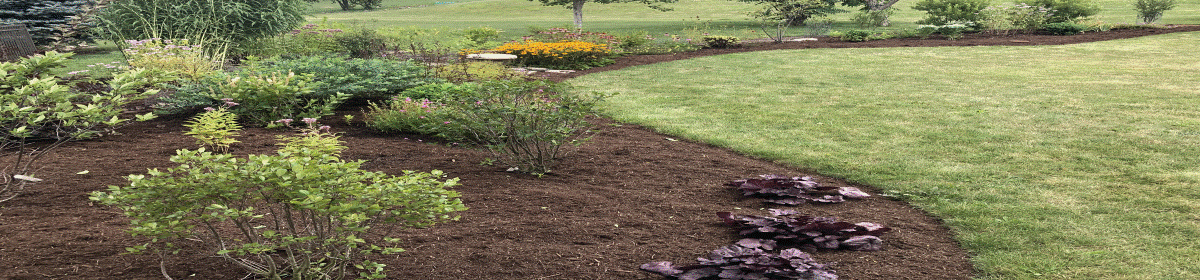
Mulching in the fall has a number of benefits. It provides insulation for the plant roots and supports the soil food web including worms and microbes. It will help to enrich the soil for the spring. Two other positive factors is that the weather is ideal for working outside and it reduces the need to get it done early in the spring. This last point was a factor over the past few years when rain and cold made spring mulching difficult. By mulching in the fall, it will provide more flexibility in the spring.
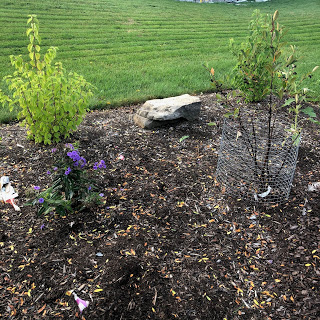
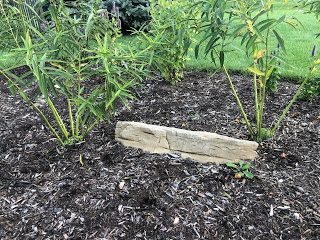
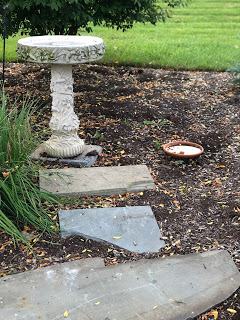
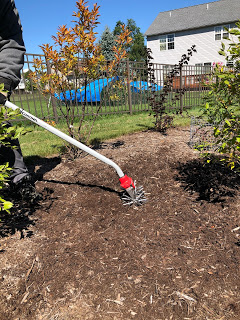
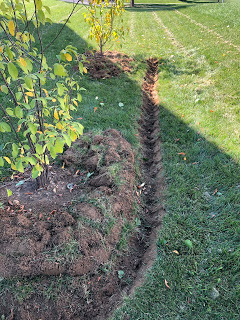
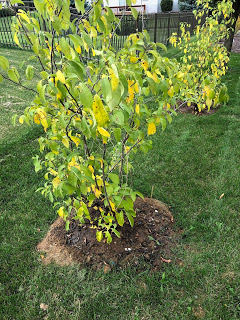
At this point, there are only a few areas that need a thick layer, most of the other areas will just be topped off. My goal is to have between 2 to 3 inches of mulch. Much of the garden has between 1 and 2 inches. Much of the preparation work has already been completed.
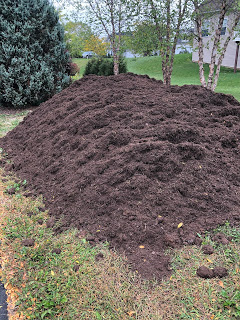
Ten yards of triple ground mulch arrived. I was hoping to get double ground, but the supplier was out and only had the triple ground natural…which was fine.
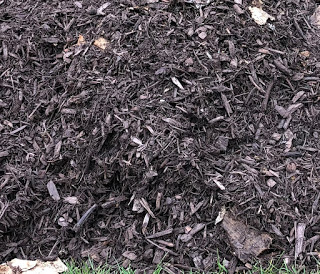
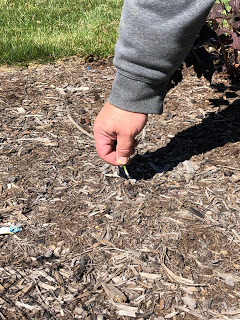
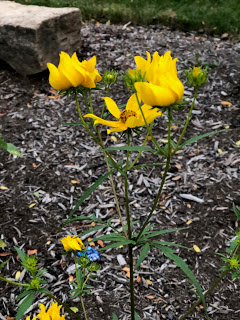
One additional task that was completed prior to applying the new mulch was removing some of the decretive bagged mulch that I had applied during the summer to fill a few spots around a few added plantings. This mulch is really more for decorative purposes in that it does not break down quickly and maintains it appearance. Good for use in areas where one is not looking to improve the soil, but not as much for the garden. In fact, this mulch had not integrated at all into the soil and was pretty easy to remove. However in hindsight, I would not have applied it at all. It did nothing to help the soil outside of prevent weed growth.
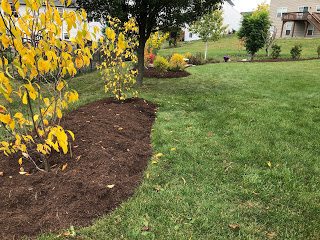
We were not able to get all of new mulch in place in one weekend, but did get about half of the load applied. The remaining mulch took a few weeks longer.


 Pennsylvania Native Garden Journey