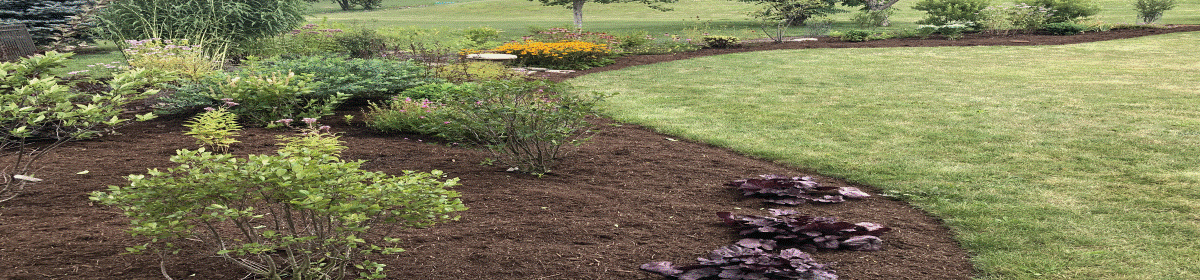
Planting a native garden is not only visually attractive, but it helps to increase biodiversity of your space through supporting native insects and birds. This is not a how-to blog, but just follows the journey associated with my native garden. Maybe it will provide an idea on what to do, or not to do. Or perhaps it may provide some inspiration for going native in your own yard.
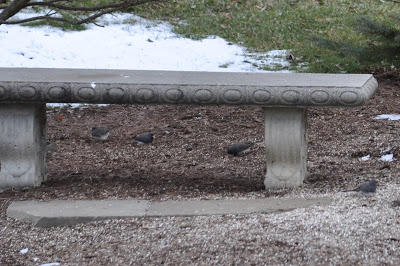
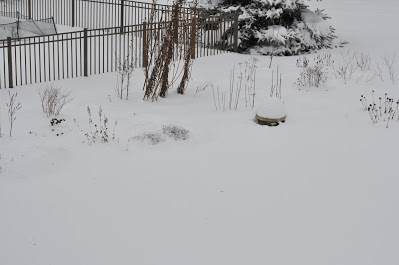
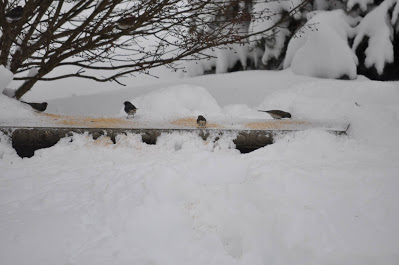
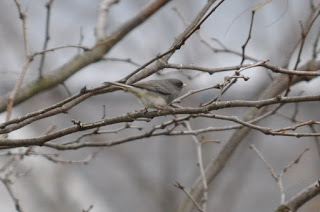
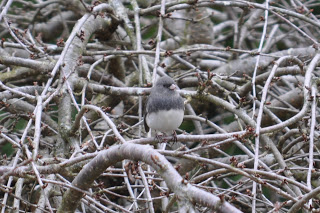
January is coming to an end. Central PA had little snow over the month, but temperatures were generally below freezing. Bird activity has been generally limited to the Dark-eyed Juncos. There is normally 20+ of them each day. Throwing seed on the ground has been key. Generally throwing it under or close to cover helps.
So the most common birds seen include
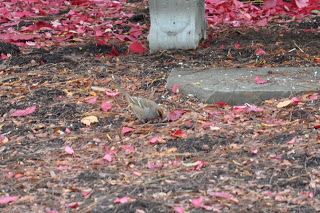
Dark-eyed junco
House finch
Mourning Doves
Crows
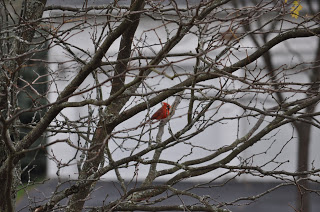
Northern Cardinals (a pair)
(House Sparrow)
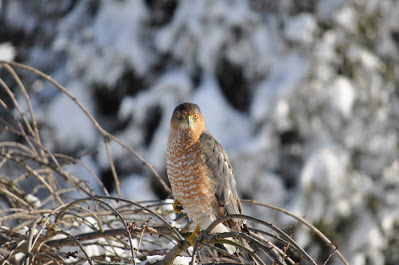
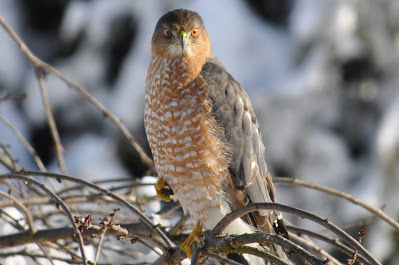
Then there is the regular sighting, but generally just one:
Originally posted – November 29, 2020, Updated – March 15, 2021
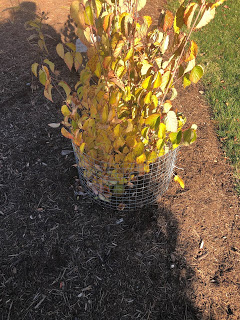
In order to prevent damage by rabbits, I placed wire fencing around certain shrubs. I did this a few weeks back when I started to see some damage.
Wire fencing was placed around these plants based upon which were damaged last year.
American Beautyberry
Arrowwood Viburnum
Viburnum nudum
Black Chokeberry, Iriquiois (this seems to be the preferred shrub of choice for the rabbits)
Red Chokeberry
I have also continued to be diligent in weeding, especially with the warmer weather (40s, low 50s) we have. Still seeing a lot of grass shoots coming up. It is amazing how much root structure can form in such a short time. Would hate to let that become too established.
Update 3/15/21 – Replaced some of the fences with higher cage wire (24 inches) for the taller shrubs. The height of the cage wire was either 12 inches or 18 inches. I noticed that some of the branches were torn off, so the rabbits were standing on the hind legs and pulling the off branches that were above the top of the cage wire.
In the past I had cut the height of the 24 inch cage wire in order to get more fences out of a roll. But after seeing the early damage this late winter, I purchased two rolls of wire (24 inches X 15ft) and cut it in 45 inch segments to yield 4 circular fences that are 24 inches high and 14 inches in diameter.
These higher circular fences were put around the chokeberry and the arrowwood viburnum shrubs.
Now at the end of November, all the leaves are off and the garden is ready for winter. I have left all of the leaf litter in place for winter coverage. The bird activity has dropped, and the feeders are emptying much slower. I have been watching the feed to ensure the seed stays fresh with no mold and empty if it is there too long. I also throw seen on the ground daily for the juncos. There are not as many species visiting the feeders either. The primary bird species seen:
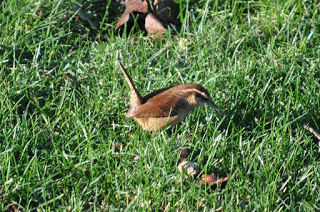
Black capped chickadees A Carolina wren (first one I have seen in the yard) Blue jays White-crowned sparrows And the Coopers Hawk makes the occasional fly-by
And the crows. Been putting a half cup of dog food out in the morning along with leftover bread. I have not seen cardinals in the past few weeks.
Spotted a number of Dark-eyed Juncos around the feeders. This is the first time I have seen them this season. They winter here after leaving the breeding grounds further north into Canada. These birds generally feed off the ground so I’ll throw some seed onto the ground.
There were some white-crowned sparrows. These were a bit more difficult to identify because the streaks on the head were not dark, so these are probably juvenile.
Other birds identified (before the wind picked up later in the morning). Black-capped Chickadee Pine Siskin House finch Northern Cardinal
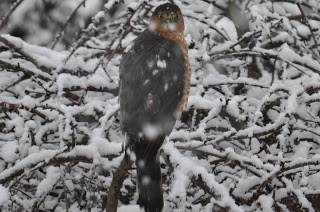
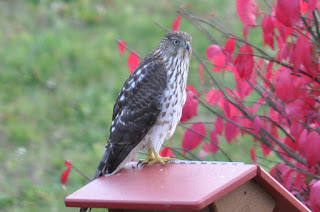
A juvenile Cooper’s Hawk has been more of a regular visitor to the garden. Luckily, there is plenty of shrubs available for coverage and I have not seen the hawk take any song birds. While it is an awesome bird, I do chase it away when I happen to see him hanging around.
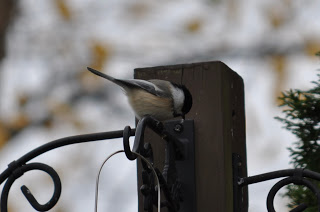
This is not a great pic of a Black Capped Chickadee. We have a few of these birds that are now regulars in the yard.
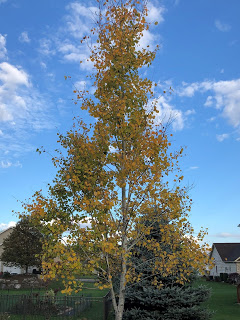
Fall foliage pics – the first is a Quaking Aspen. In the two previous years, the leaves fell off the tree before turning yellow.
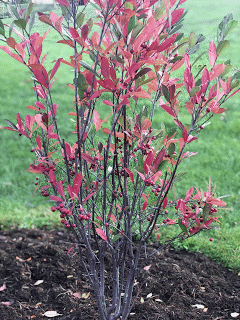
The second picture is a Red Chokeberry showing its fall colors. The Black Chokeberry bushes have already lost its leaves weeks ago and were not quite as brilliant as the red variety.
The number of birds visiting the feeders has slowed, but still a nice variety of birds visiting the feeders and garden.
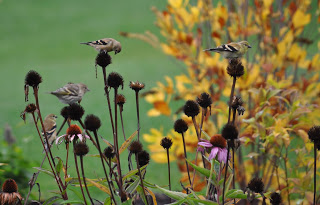
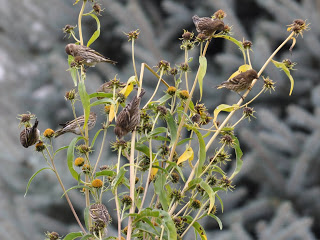
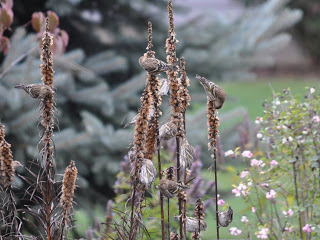
Goldfinch and Pine Siskins- a good many of these have been feeding on the seeding flowerheads
House finch
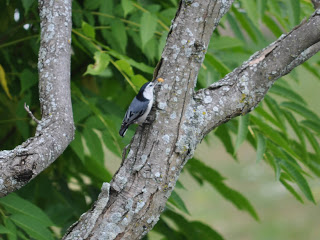
White-breasted Nuthatch
Black-headed Chickadee
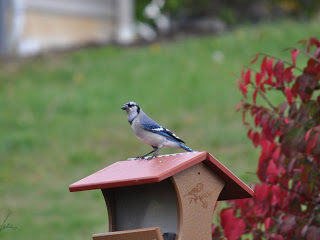
Blue Jays – the blue jays have become a more regular sight
Cardinals
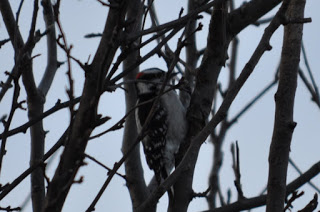
Downy Woodpecker
Mourning doves – we seen to have about a half dozen at any point in time
Crows (same 4 that visit the yard daily)
Coopers hawk that flies through on too regular of a basis
House sparrows
The first freeze came this past week with the temperature getting down to 28 degree F, leaving the grass with an icy glaze at morning light. With the warm weather now, this time of year had been traditionally called Indian Summer, but this term is falling out of fashion. This term was applied to the warm weather that comes after the first freeze. In the Slavic language, the term ‘babje leto’, or grandmother’s summer, is used. I like that. Others have used the phrase ‘second summer’. Not interesting.
Most all flowers have faded with the New England asters are the last blooms still visible in this part of the yard.
In the upper yard, there are some annual sunflowers still in bloom
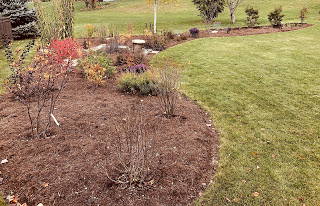
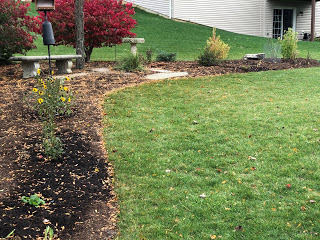
On a final note, the Fall mulching is finally complete.
Wild bird sightings – October 11, 2020 – while the total number of birds to the feeders has dropped, there is increased activity in the garden as flowers such as coneflowers and sunflowers have gone to seed.
American Goldfinch and Pine Siskins – scores of birds feeding on the flower seeds
House Finch
Northern Cardinal
Blue Jay – the blue jays have been more common this year
Mourning Dove
White-breasted Nuthatch
Titmouse
Black-capped Chickadee
Downy woodpecker
American Crows
(House sparrows)
Blue JayWhite Breasted Nuthatch
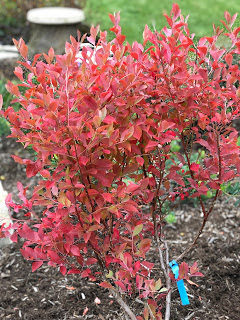
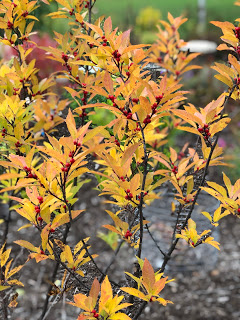
Plants Fall foliage – Due to the dryness, many of the plants leaves either went to brown quickly or dropped off. A few plants were picture worthy.
Highbush blueberryWinterberry
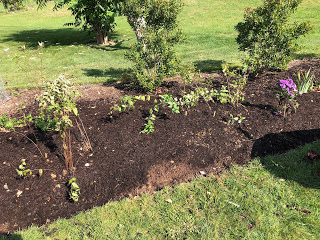
The New England Asters are still in bloom, but many of the other flowers including the coneflower and sunflower have gone to seed. I added a few additional native plants. I focused on the hill area of the yard, substituting in two beautyberry (Callicarpa spp) for two azaleas that were not performing well. I am not sure how this will work out from a size perspective. but we’ll see.
Beautyberry
Weather – The weather over the past week has been dry but cool. Rain finally arrived Sunday night through Monday.
After the flowers are gone, they still provide a lot of excitement. Here in early October, what a great sight to see finches feeding on the native flowers that have gone to seed. There appears to be both Goldfinches as well as Pine Siskins.
Fall is a great time to add perennials to the garden. The weather is not as taxing on the plants thus making watering less of a concern. As long as there is time for the plants to naturalize before the ground freezes, they will be all set for the Spring.
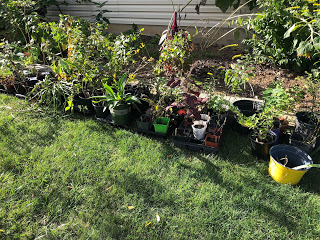
I was fortunate to receive a boat load of native plants at no cost. It will be great to add some new plant species. I have some available spacing, but want to add plants in a thoughtful manner.
In the lower garden, I added Mountain Mint (Pycnanthemum muticum) and some blue bee balm (Morarda spp.). I also added some Joe Pye and tall Pholx.
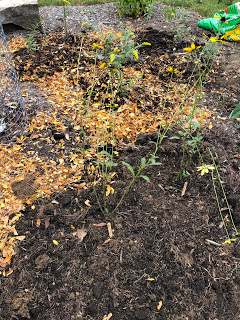
In the upper garden, I added Goldenrod ‘fireworks’ (Solidago) and some late-blooming Black-eyed Susans (Rudbeckia spp.). Also added Carolina Lupine (Thermopsis villosa).

 Pennsylvania Native Garden Journey